Segesta, Selinunte and Lilybaeum Archaeological Parks
5 min · 11 Jan 2024
There are a large number of archaeological parks in Sicily that are still in excellent condition and bear witness to the various dominations and cultures that have affected this region’s past. Here we present three parks in the Trapani area: a real journey of discovery into the ancient and diverse civilisations of the Mediterranean.
The Segesta Archaeological Park
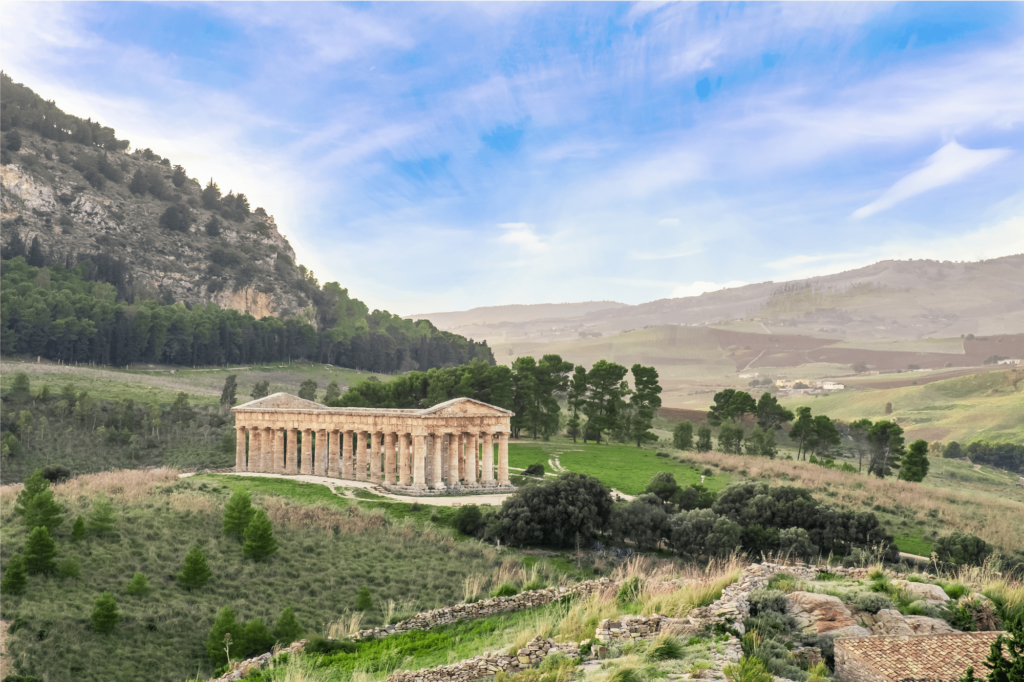
Segesta was one of the main cities of the Elymians, an ancient civilisation said to have been founded by the Trojans and settled in Sicily in the Bronze Age. The area where it stood is now a large, multi-layered archaeological site. Indeed, excavations here have brought to light the remains of the original Elymian settlement, the Hellenistic-Roman period, the Muslim settlement, the Norman-Swabian settlement and the medieval settlement. The highlight of Segesta is the Doric Temple. Dating back to 430 B.C. and probably left unfinished, it is one of the few monuments that have been preserved perfectly intact since antiquity. In addition to the temple, the Theatre (2nd century B.C.) and the Sanctuary of Contrada Mango (6th – 5th century B.C.) are worth mentioning. The excellent state of preservation of the ruins, combined with the majesty of the natural environment in which they stand, make this site one of Sicily’s main attractions. The area is only a few kilometres from the town of Calatafimi Segesta. The Segesta Archaeological Park also includes other sites spread across the province of Trapani, such as: the Archaeological Area of Grotte Scurati, the Archaeological Area of Rocca di Entella, the Archaeological Area of San Miceli, the Archaeological Area of Mokarta and the Archaeological Area of Monte Castellazzo.
The Archaeological Park of Selinunte, Cave di Cusa and Pantelleria
Covering some 377 hectares between park and dependent sites, the Archaeological Park of Selinunte, Cave di Cusa and Pantelleria is one of the largest archaeological parks in the Mediterranean. It preserves the colossal remains of Selinunte (municipality of Castelvetrano), one of the most fascinating dead cities in Sicily, founded around 650 BC by settlers from Megara Hyblaea. The ruins are scattered over a vast area dominated by the hill of Manuzza, the site of the ancient city proper. The remains of numerous Doric temples (identified by letters of the alphabet, since it has not yet been possible to decipher the divinities to whom they were consecrated) have been found in the area, including Temple C, the oldest and grandest of the Selinuntine temple buildings. The archaeological park also includes: the so-called Cave di Cusa (Campobello di Mazara), where the stone used to erect the city’s temples was quarried from the 6th century B.C.; the Museum of the Satyr (Mazara del Vallo), where a precious bronze statue from the 4th century B.C. is on display, artefacts from the waters of the Strait of Sicily; the Grifeo Castle (Partanna), home to the Lower Belice Prehistoric Museum; and the archaeological sites on the island of Pantelleria (Mursia and Cimillia, Santa Teresa and San Marco, Lago di Venere, Scauri).
The Archaeological Park of Lilybaeum-Marsala
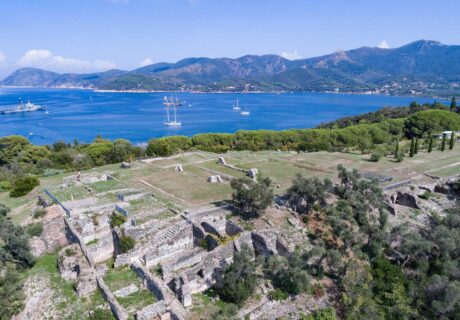
The nucleus of the Lilybaeum Archaeological Park is the archaeological area of Capo Boeo (on the promenade of the same name in Marsala), which preserves a considerable part of the settlement of Lilybaeum, first an ancient Carthaginian and then a Roman city. It was founded, according to the testimony of Diodorus, by Punic exiles who had fled from Mothia, destroyed by Dionysius of Syracuse in 397 BC. Among the main monuments brought to light are the public baths, the large Domus from the imperial period and the Sanctuary dedicated to the health divinities Asclepius and Salus-Igiea. The museum site of the archaeological park is the Baglio Anselmi, a 19th-century establishment for the production of Marsala wine, renovated and turned into a museum in 1986, which houses the most important remains of ancient Lilybaeum. In addition to the Capo Boeo archaeological area, the park includes the Hellenistic-Roman necropolis in Via del Fante (Marsala); the vast area of the Niccolini and Santa Maria della Grotta (Marsala); the Painted Hypogeum of Crispia Salvia in Via Massimo D’Azeglio (Marsala) and the Grotta del Pozzo (on the north-eastern side of the island of Favignana, in the locality of San Nicola), which is of considerable importance from a historical-archaeological point of view due to the presence of inscriptions and depictions, referable to the Punic and Neo-Punic phase, that attest to its use as a place of worship or burial.